Get Your Papers! Everything You Need Before Teaching Abroad
Preparing to teach abroad starts long before you step on a plane. One of the most important parts of the process is getting your paperwork in order. Schools, embassies, and immigration offices all require specific documents, and having them ready early will save you stress, time, and money. This guide walks you through every essential document you’ll need — from your TEFL certificate to your passport, visa, job application materials, and even your emergency contact list.
Whether you’re heading to Asia, Europe, the Middle East, or Latin America, these steps will help you stay organized and confident as you begin your journey.
Your definitive Starter Guide is here!
1. TEFL Certification: Your First Essential Document
A TEFL certificate (Teaching English as a Foreign Language) is one of the most important qualifications you’ll need. Most countries require at least a 120‑hour accredited TEFL course, and many employers won’t consider your application without it.
A strong TEFL program will teach you:
– lesson planning
– classroom management
– teaching grammar and vocabulary
– supporting ESL learners
– assessing student progress
Some countries accept online TEFL certificates, while others prefer in‑person or hybrid programs. If you’re aiming for international schools or higher‑paying positions, consider a more advanced certification like CELTA or Trinity CertTESOL.
Tip: Keep both a digital and printed copy of your TEFL certificate. Some embassies require notarized or authenticated versions.
2. Your Degree: Bachelor’s, Master’s, or Equivalent
Many countries require teachers to hold at least a bachelor’s degree in any field. Even if your degree isn’t related to education, it still qualifies you for most ESL positions.
You may need:
– your original diploma
– a notarized copy
– an authenticated or apostilled version
– your transcripts (sometimes required) — sealed envelope, but do not let anyone open unless absolutely required. This will save you money from have to reorder them. Multiple sealed suggested
– If you have a master’s degree, especially in education or a related field, it can open doors to higher‑paying international school positions.
Tip: Start the authentication process early. It can take several weeks or a couple months for full procedures depending on your home country.
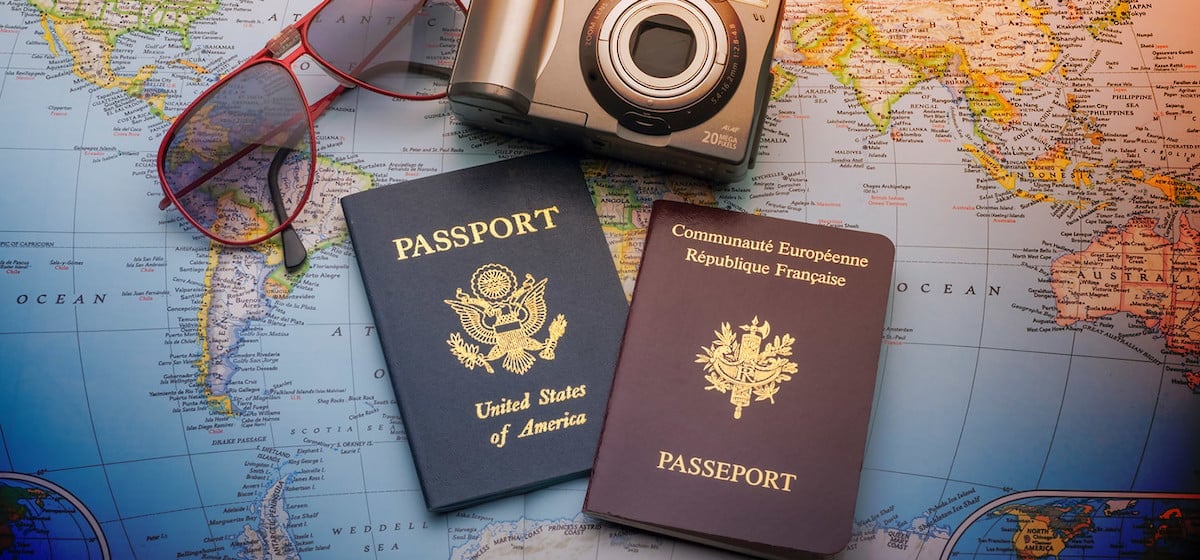
3. Passport: Your Most Important Travel Document
Your passport must be:
– valid for at least 6 months beyond your contract end date
– in good physical condition
– free of major damage or tears
– If you need to renew your passport, do it before applying for jobs. Many employers won’t process your visa without a valid passport number.
Tip: Make multiple photocopies and keep digital scans stored securely online.
4. Visa Requirements: Know What You Need Before You Go
Every country has its own visa process, and it’s essential to understand the requirements before accepting a job offer. Common visa types for teachers include:
– Work Visa (most common)
– Z‑Visa (China)
– E‑Visa (Korea)
– Instructor Visa (Japan)
– Residency + Work Permit (China + Europe)
You may need (usually required):
– background checks
– medical exams
– passport photos
– authenticated documents
– employer invitation letters
Tip: Never enter a country on a tourist visa expecting to “switch later” unless the country explicitly allows it. Many do not allow or it may interfere with the end of the visa you enter on, which may create problems in the future.
NEVER OVERSTAY YOU VISA – Visa Overstay means staying in a country after your Visa expires. This may lead to being penalized, fined, blacklisted, and in extreme cases jail time.
5. Job Application Documents: Be Ready Before You Apply
Schools and recruiters often ask for documents early in the hiring process. Prepare these ahead of time:
– updated resume/CV
– professional headshot
– cover letter
– reference letters
– teaching demo or introduction video (optional but helpful)
– scanned copies of your degree and TEFL certificate
– PDF or Printer Document File format is suggested
– 1 PDF where all your documents are together for ease of access
– A clean, professional resume and application increases your chances of getting interviews quickly.
Tip: Use a simple, modern resume format. International schools prefer clarity over creativity.
6. Flight Itinerary: Not Always Required, But Helpful
Some countries or employers may ask for a tentative flight itinerary. This doesn’t mean you need to buy a ticket before your visa is approved — in fact, you shouldn’t.
Instead, you can:
– reserve a refundable ticket or onward ticket (reservation)
– use a flight hold service
– provide a sample itinerary
This shows you’re prepared without committing financially too early.
7. Emergency Contact List: A Small Step That Makes a Big Difference
Before moving abroad, create a simple emergency contact list that includes:
– family members
– close friends
– your employer’s contact information
– your embassy or consulate
– local emergency numbers
– your home country’s emergency hotline
– Keep one copy in your luggage, one in your wallet, and one saved digitally.
Tip: Share your itinerary and new address with someone you trust.
Some countries require a medical exam either before departure or upon arrival.
Teaching License (Optional)
If you’re applying to international schools, a teaching license can significantly increase your salary.
Vaccination Records
Some countries require proof of certain vaccinations.
Financial Proof
Occasionally required for long‑term visas.
Remember: It’s always better to be overprepared, than to not be ready and don’t have an answer when the embassy or immigration asks
9. Organizing Your Documents: Stay Ahead of the Stress
Create a simple system:
Folder 1: Originals
Folder 2: Notarized/authenticated copies
Folder 3: Digital scans (stored in cloud storage)
Label everything clearly. Immigration offices appreciate organization — and so will you.
10. Final Thoughts: Getting Your Papers Is the First Step Toward Your New Life Abroad
Preparing your documents may feel overwhelming at first, but once you understand what you need, the process becomes manageable. Getting your papers in order is more than a checklist — it’s the foundation of your entire teach‑abroad journey.
With your TEFL certificate, degree, passport, visa, job application materials, and essential travel documents ready, you’ll be able to move abroad with confidence and clarity.
Your new life overseas starts with preparation. And you’re already on the right path.
How I Can Help You Get Your Papers (Without the Stress)
Getting your documents in order is one of the most important — and most confusing — parts of preparing to teach abroad. Every country has different requirements, every employer asks for something new, and the process can feel overwhelming if you’re doing it alone. That’s exactly why I created Teach Abroad Nash: to give you clear, honest guidance from someone who has lived this journey firsthand.
I’ve helped teachers, travelers, and first‑timers navigate everything from TEFL certification and degree authentication to visa paperwork, job applications, and relocation logistics. Whether you’re unsure where to start or stuck in the middle of the process, I can help you break everything down into simple, manageable steps. My consultations, guides, and resources are designed to save you time, money, and frustration — and to help you move abroad with confidence instead of confusion.
If you want personalized support, a step‑by‑step plan, or someone to walk you through the paperwork, I’m here to help. You don’t have to figure this out alone. Together, we can get your documents ready, your plan organized, and your journey abroad underway. Your new life overseas is closer than you think.
Leave a Reply